 +48 535 000 250
  office@cork-shop.co.uk


Spraying cork – Application
Spray cork – application. As building science advances, we strive to utilize the latest technologies to find the right solutions.
Sometimes, this technology can blend old and new approaches, and it doesn't have to be toxic. Spray cork is an excellent example of an innovative and proven solution for exterior building cladding, thermal insulation, and waterproofing, utilizing traditional, natural building materials.
Spray cork is an alternative to paint or plaster, made from a mixture of 80% cork granules and 20% water-based paint, available in a wide range of colors. Spray cork is very similar to plaster. Its surface is textured and soft to the touch. It's very similar to paint, only thicker. It's available in as many colors as any other paint and can even be tinted.
Spray cork can be used on almost any surface that can be painted with conventional paint. It can be sprayed directly onto all types of exterior walls. The cork texture also creates a pleasant, non-slip surface, making it ideal for patios and paths. Cork doesn't heat up as much as brick or stone, making it ideal for pool decks. Spray caps are also an alternative to spray foam and can be used in recesses in interior walls to seal air vents.
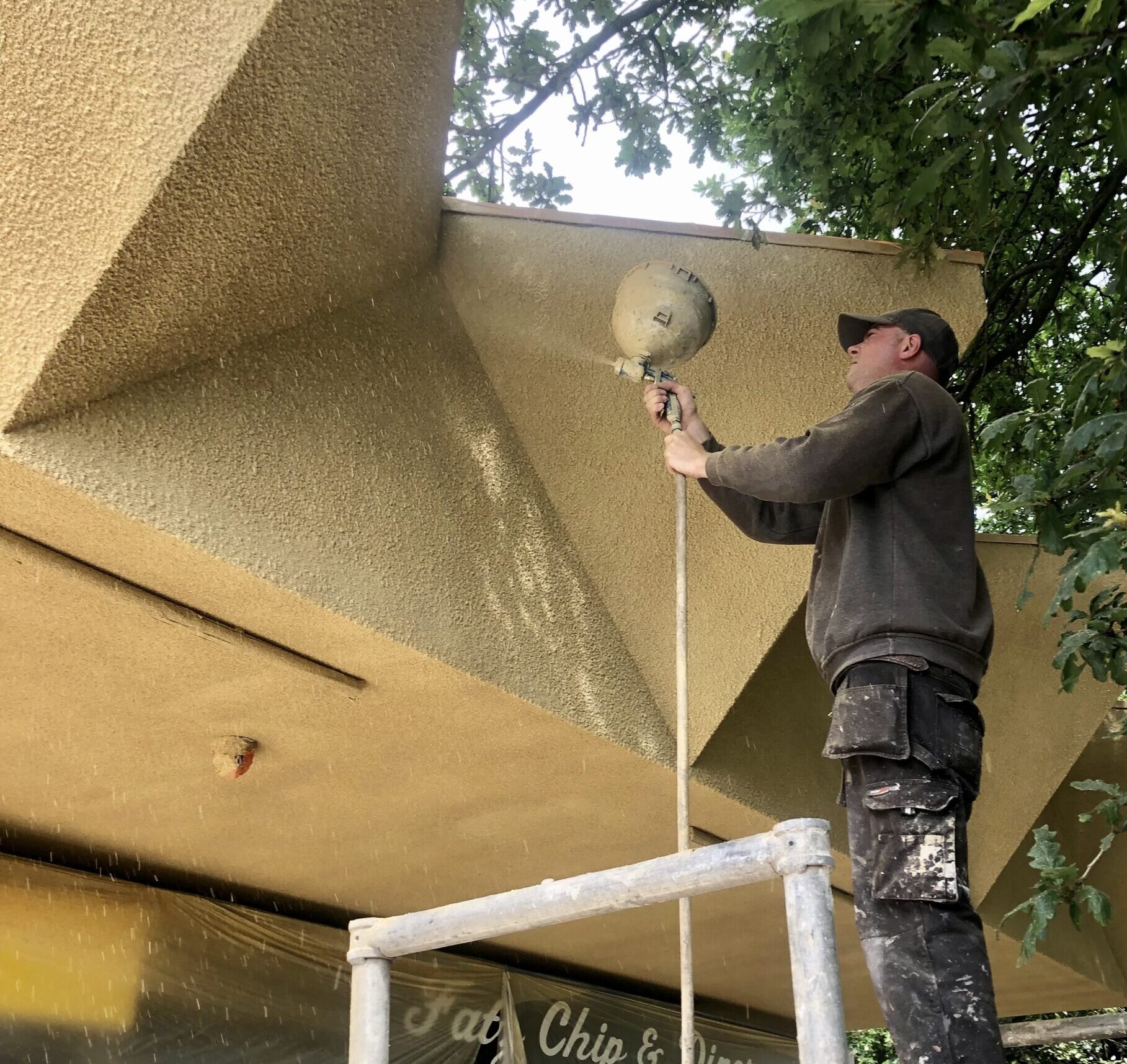
Unlike closed-cell foam, spray-on cork is breathable and allows water vapor to pass through, allowing it to dry faster. This application method can also protect wooden walls from mold and rot by acting as a protective bond for the wood. Spray-on cork can also be applied directly to interior walls if you prefer that style.
Cork Spray – Application. Cork is a highly renewable resource, typically sourced from nationally protected forests certified by the Forest Stewardship Council (FSC) in Portugal. The tree bark is harvested every nine years for a period of 150–250 years. Harvesting cork does not harm the trees. Furthermore, the granules used in spray-on cork are typically byproducts of the cork industry.
Spray-on cork is a mixture of 80% cork granules and 20% water-based paint, applied using a spray gun and compressed air. Because spray cork contains 80% cork, it reduces the release of microplastics due to paint degradation. Compare this to other elastomeric paints that contain more synthetic compounds.
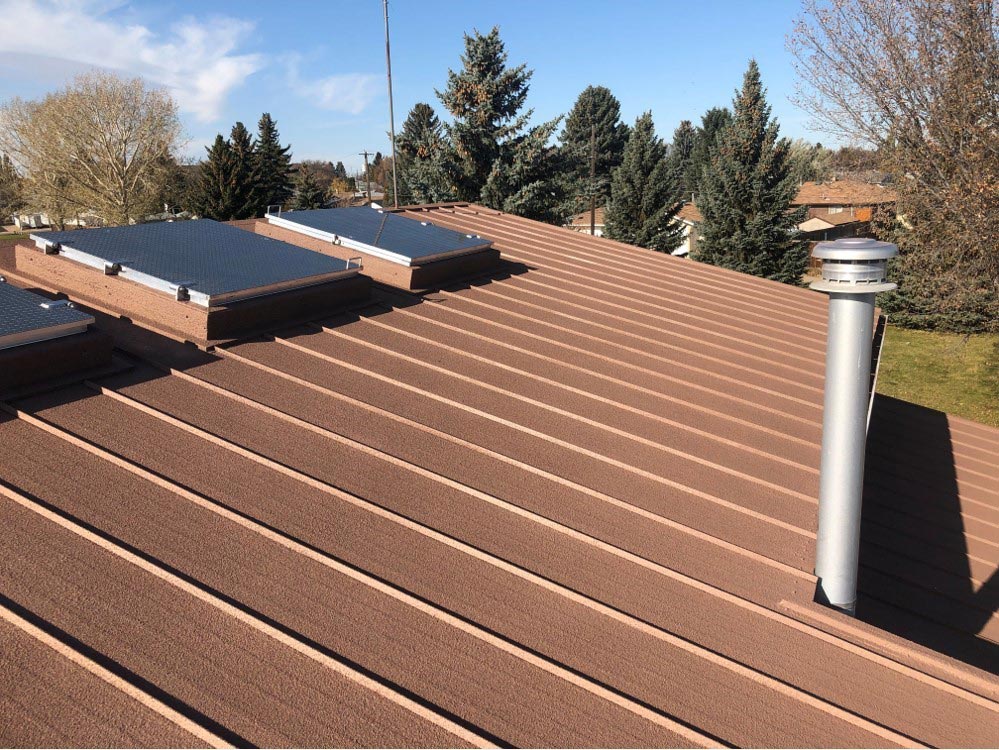
Spray cork effectively seals gaps and leaks, and a well-sealed building is a significant step towards improving thermal efficiency. Spray cork can be applied to any properly prepared surface – plaster, steel, aluminum, wood, brick, vinyl, shingles, and more. It is suitable for a wide range of surfaces.
Dirt and dust rarely adhere to the cork surface, and if they do, the surface can be washed away. After ten years, like any paint, the coating can fade in the sun and require reapplication. Spray cork offers seemingly endless benefits. As a renewable raw material and building material, it is an attractive choice for a wide range of applications. It is used in many applications, adhering to wood, metal, plastic, and concrete, and is suitable for both interior and exterior use. It performs well in all climates; it is resistant to UV radiation, weathering, hail, high and low temperatures, abrasion, mold, and mildew. It is even fire-resistant, meeting European Class E standards and emitting no toxic fumes during smouldering.
In fire-prone regions, cork can increase the fire resistance of a building's exterior. Sprayed cork contributes to the building's thermal insulation, seals air gaps, and absorbs sound. Applying sprayed cork to the exterior of a building is a simple way to insulate an existing structure. Sprayed cork repels water (making it difficult for it to penetrate the wall) while remaining breathable, allowing water vapor to pass through. If walls are damaged, sprayed cork can be applied, saving labor and costs, and reducing construction waste. It does not crack and is more flexible than paint or plaster. It is hypoallergenic and self-cleaning, as deposits and dust do not adhere as easily to its surface.